

The Role of Emotions in Gambling
The psychology of casino players is deeply intertwined with their emotional states. When individuals enter a casino, they are often influenced by a range of feelings, from excitement to anxiety. These emotions can significantly impact their decision-making processes. For instance, the thrill of anticipation before rolling the dice or spinning the slots can lead to heightened excitement, prompting players to gamble more than they initially planned, which is why many seek out the best crypto casinos for their games.
Moreover, emotions can serve as both a motivator and a deterrent. Positive emotions may encourage players to take risks, while negative feelings such as fear of loss can result in more cautious behavior. Understanding these emotional dynamics can provide valuable insights into player behavior and the overall gambling experience.
The Impact of Environment on Player Emotion
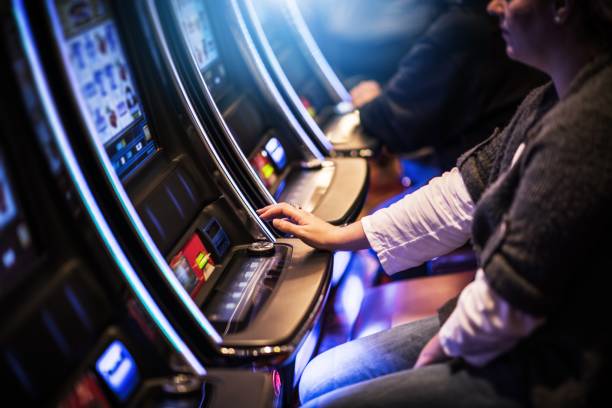
The physical environment of a casino plays a crucial role in shaping player emotions. Bright lights, vibrant colors, and the sounds of winning machines create a stimulating atmosphere that enhances excitement and pleasure. This sensory overload can lead to a psychological state known as the “casino effect,” where players feel an urge to gamble based solely on the surrounding stimuli.
Conversely, a less stimulating environment may evoke feelings of boredom or disinterest, potentially leading to decreased gambling activity. Casinos often design their spaces carefully to maximize emotional engagement, thus increasing the likelihood of player participation and expenditure.
Addiction and Emotional Responses to Gambling
Gambling addiction is a complex phenomenon that is deeply rooted in emotional responses. Many players turn to gambling as a way to escape from negative emotions such as stress, loneliness, or depression. This can lead to a vicious cycle where the thrill of gambling temporarily alleviates emotional pain, only to result in greater feelings of guilt and despair as losses accumulate.
Psychological studies have shown that individuals with certain traits, such as impulsivity or a high need for sensation-seeking, may be more susceptible to developing gambling-related issues. Understanding the connection between emotional states and gambling behavior is vital for developing effective prevention and treatment strategies for addiction.
To Play or Not to Play: Decision-Making Processes
Another essential aspect of the psychology of casino players is their decision-making processes, which are heavily influenced by their emotions. During gameplay, players often have to make quick decisions, influenced by their immediate feelings and the perceived risk of losses. Emotions like hope and disappointment can alter their perception of odds, leading them to take more significant risks.
Furthermore, cognitive biases, such as the illusion of control or the gambler’s fallacy, can skew a player’s judgment, prompting them to believe that they can influence outcomes that are fundamentally random. Recognizing these biases can help players make more informed decisions and potentially mitigate losses.
Exploring Crypto Casinos and Player Emotions
With the rise of cryptocurrency casinos, a new layer of emotional dynamics has emerged. Players may feel increased privacy and security, which can enhance their overall gambling experience. The appeal of using cryptocurrencies can evoke feelings of freedom and modernity, attracting players who are tech-savvy and looking for innovative gambling solutions.
Additionally, the fast-paced nature of transactions in crypto casinos can amplify excitement and the adrenaline rush that accompanies gambling. By understanding how emotional responses interact with the unique features of crypto gambling, operators can better tailor their offerings to meet players’ needs and preferences.

